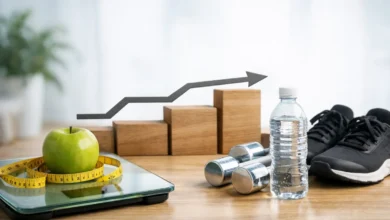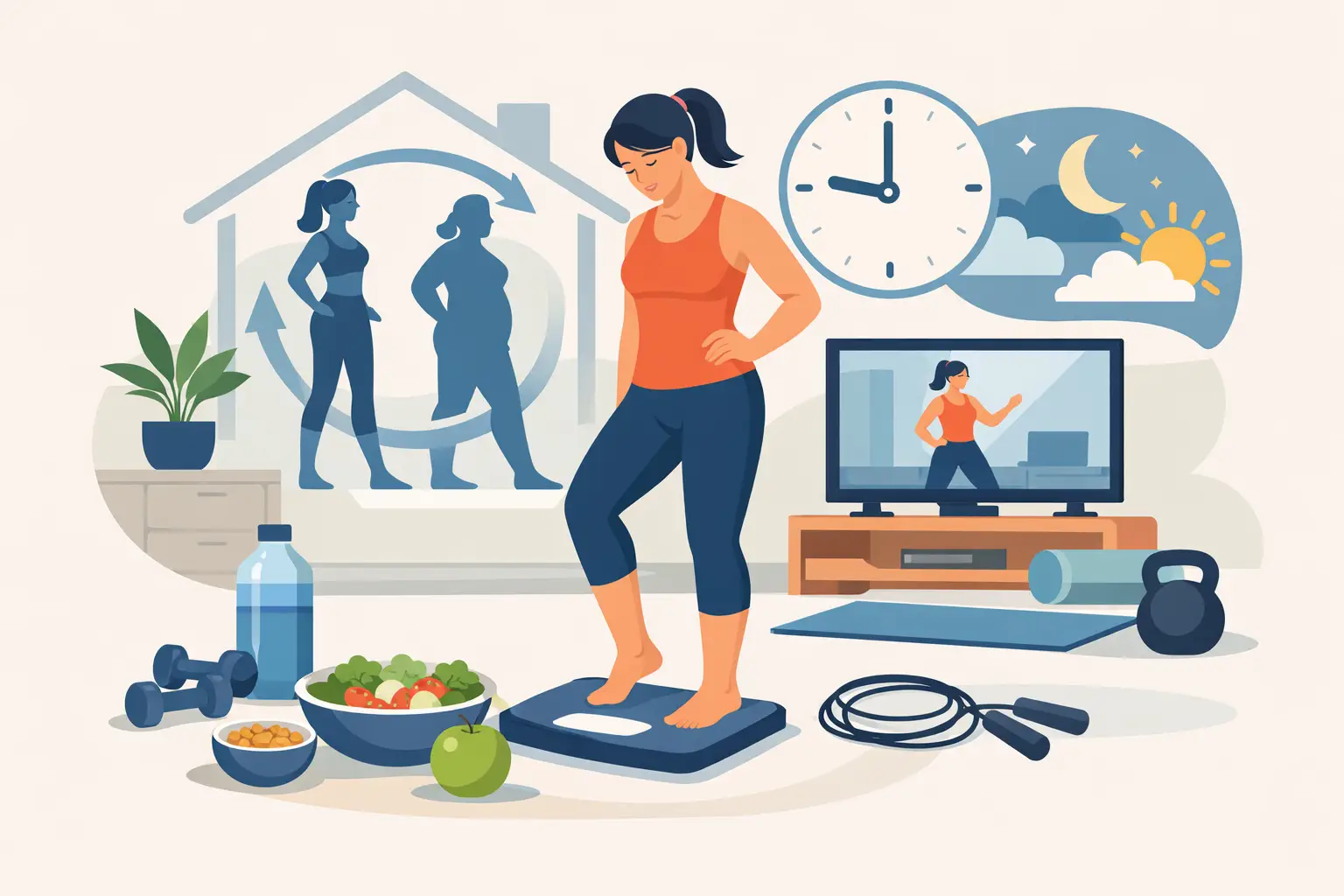
A lot of people start trying to figure out how to lose weight at home after the same moment – clothes feel tighter, energy dips, and the scale starts creeping up while life stays too busy for a gym routine. The good news is that home can be one of the easiest places to build weight-loss habits that actually stick. You control the food, the schedule, and the environment, which makes steady progress more realistic than most people think.
How to lose weight at home starts with a calorie gap
Weight loss still comes down to one core idea: your body needs to use more energy than it takes in over time. That does not mean starving yourself, cutting out every favorite food, or chasing extreme workout plans in your living room. It means creating a manageable calorie gap through better food choices, more daily movement, and routines you can repeat.
This is where many people get stuck. They focus only on exercise, but home workouts alone rarely overcome overeating. Others focus only on food and become too inactive, which can make weight loss feel slower and harder to maintain. The strongest approach combines both.
If you want this to work, think in weeks, not days. A single salty dinner or missed workout does not ruin progress. What matters is the pattern you build most of the time.
Fix your meals before you fix your workout plan
For most beginners, food changes bring the biggest results. You do not need a trendy diet. You need meals that help you stay full, control portions, and reduce mindless snacking.
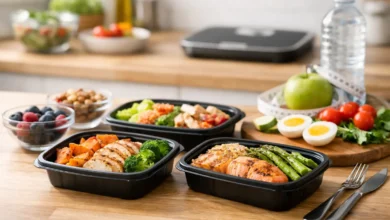
Start by building meals around protein, fiber, and foods with high volume. Protein helps preserve muscle while losing fat and usually keeps you satisfied longer. Fiber from vegetables, fruit, beans, and whole grains slows digestion and helps reduce the urge to keep eating. High-volume foods like salads, soups, berries, roasted vegetables, and air-popped popcorn let you eat a decent amount without piling on calories.
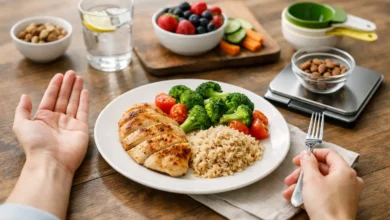
A simple home plate works well: half vegetables, a quarter lean protein, and a quarter starch or whole grain. That is not a rule for every meal, but it is a strong default. Eggs, Greek yogurt, chicken, tuna, tofu, cottage cheese, beans, and turkey are all practical options.
Liquid calories are another common problem at home. Fancy coffee drinks, soda, juice, sweet tea, and frequent alcohol can quietly wipe out your calorie deficit. You do not have to eliminate them forever, but cutting back makes a noticeable difference fast.
Make your home work for you, not against you
Your environment matters more than motivation. If your kitchen is full of snack triggers, weight loss becomes a daily fight. If healthy food is visible, prepped, and easy to grab, better choices require less effort.
Keep a few basics ready every week: washed fruit, cut vegetables, cooked protein, yogurt, oatmeal, frozen vegetables, and a few simple dinner ingredients. When healthy meals are easy, takeout becomes less tempting.
It also helps to make problem foods less convenient. You do not need to ban everything, but if cookies are on the counter and chips are in plain sight, you will probably eat more of them. Put treats out of view, buy smaller portions, or keep them for planned occasions instead of random grazing.
The best home exercise for weight loss is the one you repeat
If you are wondering how to lose weight at home without equipment, the answer is not a perfect workout. It is consistent movement. Walking, bodyweight strength training, and short cardio sessions can all help, especially when combined.
Walking is underrated because it feels too simple. But it burns calories, supports heart health, lowers stress, and is easier to recover from than hard training. If you can walk outside, great. If not, pacing during phone calls, walking stairs, marching in place, or using a walking pad can still count.
Strength training matters because it helps you keep muscle while losing weight. That improves how your body looks, supports metabolism, and makes everyday movement easier. You do not need a full home gym. Squats, lunges, glute bridges, push-ups against a wall or counter, planks, and rows with resistance bands are enough to get started.
Cardio can help create a bigger calorie burn, but it does not need to be intense. A beginner can make real progress with 20 to 30 minutes of brisk walking, step-ups, dancing, or a basic circuit a few times a week. High-intensity workouts can be effective, but they are not required, and they can backfire if they leave you too sore or hungry to stay consistent.
A simple weekly plan that works
A practical home plan might look like this: strength training three days a week, walking most days, and one or two short cardio sessions. That is enough for many people to start losing weight if food is also in check.
For example, you could do a 25-minute bodyweight workout on Monday, Wednesday, and Friday. On the other days, aim for a longer walk or more total steps. If you are very busy, split movement into small chunks. Ten minutes in the morning, ten after lunch, and ten after dinner still add up.
The key is avoiding the all-or-nothing trap. A missed 30-minute workout does not mean the day is lost. A 12-minute workout still counts. A shorter walk still counts. Progress often comes from people who stop waiting for ideal conditions.
Watch the habits that quietly slow fat loss
Many people feel like they are doing everything right at home but still do not see results. Usually, a few hidden habits are getting in the way.
Snacking while cooking is a big one. So is eating directly from the package, finishing your kids’ leftovers, or grazing at night while watching TV. These habits feel small, but they can add hundreds of calories without much fullness.
Sleep also matters more than people expect. Poor sleep can increase hunger, lower energy, and make workouts feel harder. If you are trying to lose weight, getting enough rest is not lazy. It supports better decisions and better recovery.
Stress is another factor. It does not break the laws of fat loss, but it can push you toward emotional eating, cravings, and low motivation. That is why a plan that is slightly easier is often better than one that looks impressive on paper. The best plan is the one you can follow even during a stressful week.
Track enough to stay honest
You do not need to obsess over every bite, but some level of tracking helps. Many people underestimate how much they eat and overestimate how much they move. That is normal.
A food journal, a notes app, or a calorie-tracking app can help you spot patterns. If full tracking feels overwhelming, start smaller. Track your protein, your snacks, or your evening eating for one week. That alone can reveal where progress is leaking.
You should also use more than the scale. Body weight can bounce around because of sodium, hormones, stress, digestion, and water retention. Pay attention to how your clothes fit, how your energy feels, and whether your workouts are getting easier. Those are real signs of progress too.
When weight loss at home feels slow
Slow does not always mean wrong. If you are losing half a pound to two pounds per week, that is a healthy pace for many adults. Faster is not always better, especially if it comes from an extreme plan you cannot maintain.
If nothing is changing after a few consistent weeks, tighten the basics. Watch portions more carefully, reduce liquid calories, add more daily steps, or increase protein at meals. Small adjustments usually work better than a full reset.
It also depends on where you are starting. Someone with a lot of weight to lose may see faster early changes. Someone closer to their goal may lose more slowly. Age, medications, medical conditions, and stress levels can also affect the pace. If you are dealing with health concerns or unexplained weight changes, professional guidance is worth considering.
Focus on routines, not motivation
Motivation is helpful, but it fades. Routines carry you when motivation drops. That is why it helps to attach healthy actions to things you already do. Walk after breakfast. Prep lunch while dinner cooks. Do squats before your shower. Keep your resistance bands where you can see them.
Healthy Survive focuses on practical changes for a reason: the boring basics are usually what move the needle. You do not need punishment workouts or a fridge full of expensive diet food. You need repeatable habits that fit your real life.
Start with one food change and one movement goal this week. Do them consistently before adding more. When your home becomes the place where healthy choices happen automatically, weight loss stops feeling like a constant battle and starts feeling like a direction you are actually living in.